
Food Allergy & Anaphylaxis
Food Allergy & Anaphylaxis


Pathophysiology
Food allergy
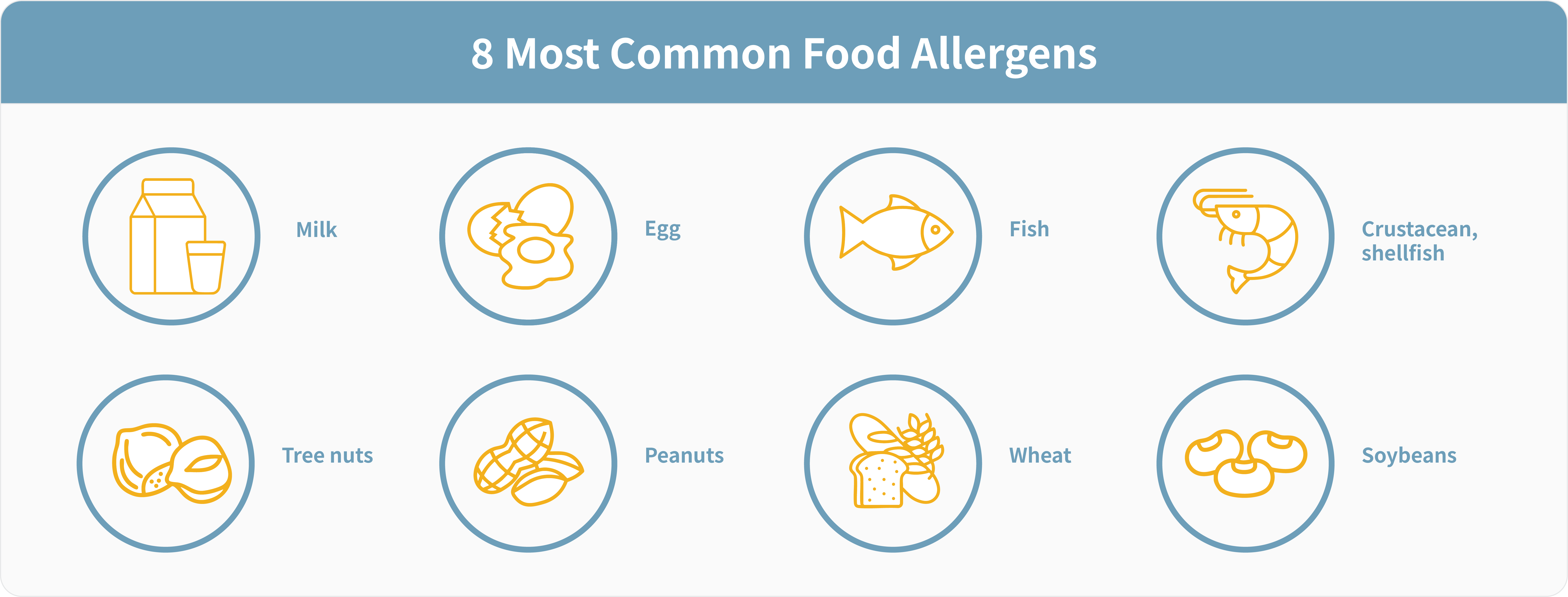
Food allergy is an abnormal immune system reaction to certain foods or ingredients, where the body mistakenly identifies a substance as harmful and triggers an allergic response. Common allergenic foods include peanuts, tree nuts, milk, eggs, wheat, soy, fish, and shellfish. Approximately 1 in 20 children under the age of 5 have food allergies, and they are becoming increasingly more prevalent.
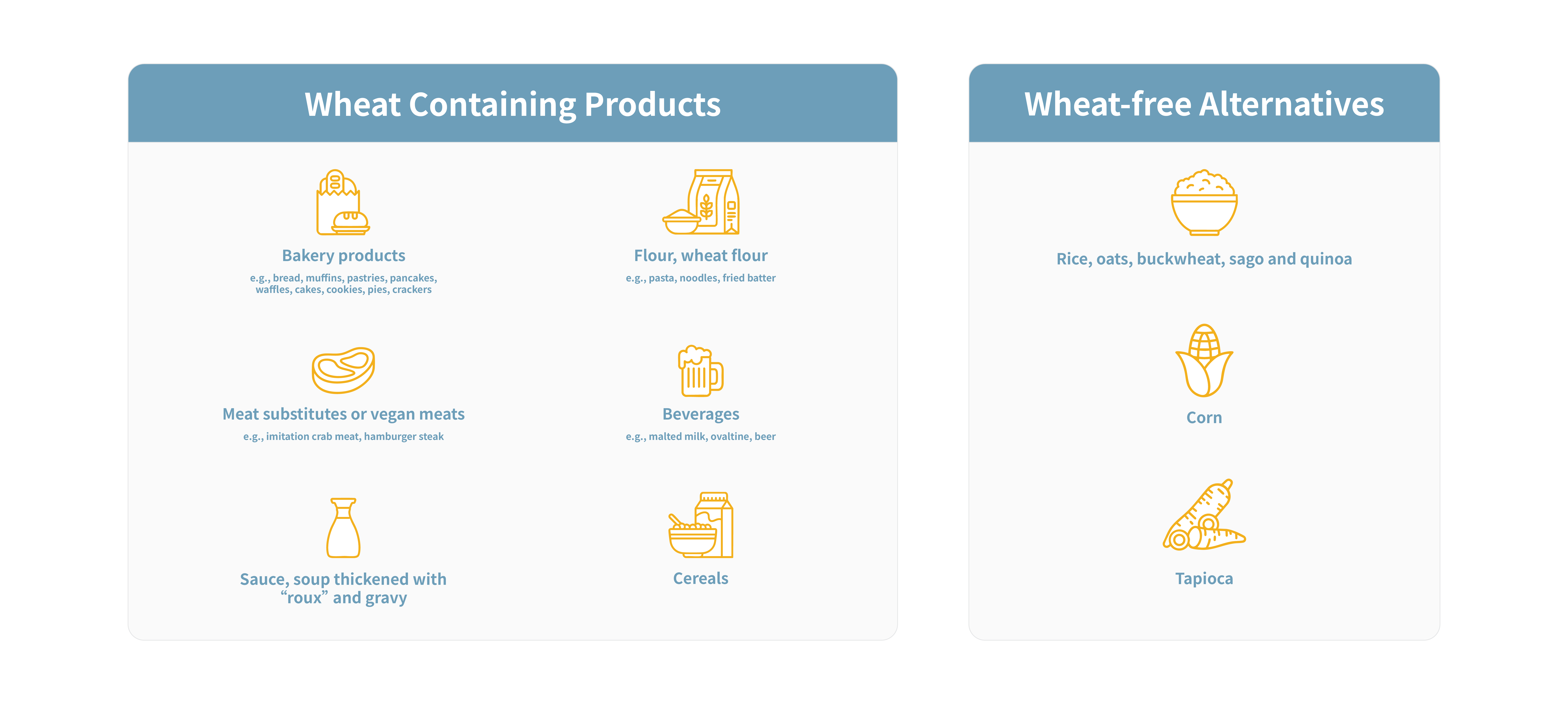
Wheat allergy
Wheat-Dependent Exercise-Induced Anaphylaxis (WDEIA) is a common cause of adult food-related anaphylaxis in Hong Kong. In this condition, serious and potentially life-threatening allergic reactions occur within 6 hours of wheat ingestion, in combination with cofactors like alcohol, exercise, and non-steroidal anti-inflammatory drugs (NSAIDs).
Celiac disease (gluten intolerance) is an autoimmune disorder triggered by gluten, a protein found in grains, like wheat, rye and barley. Patients may develop symptoms such as abdominal distention, diarrhea or constipation after consuming gluten food products.
Anaphylaxis
Anaphylaxis is a severe, life-threatening allergic reaction that can occur within minutes of exposure to an allergen. Symptoms include difficulty breathing, a drop in blood pressure, a fast pulse, and loss of consciousness.
Symptoms
Mild to moderate symptoms of food allergy:
 |
Itching or swelling of the mouth, and tightness in the throat or hoarse voice
|
 |
Runny nose and watery eyes
|
 |
Swelling of the skin, itching, and hives
|
 |
Gastrointestinal issues (e.g. nausea, vomiting, and diarrhea)
|
Severe cases of food allergies may lead to anaphylaxis, which can be life-threatening. Symptoms can progress through several stages:
Stages of anaphylaxis
 |
Stage 1: Mild symptoms
Symptoms are mild and may resemble a common allergic reaction. They can include itching, skin redness, hives, and a runny nose. It's crucial to monitor these signs, especially if you're at risk for anaphylaxis |
 |
Stage 2: Worsening symptoms
Symptoms become more severe and widespread. You may experience a rash or hives over a larger area, facial swelling, difficulty swallowing, abdominal pain, vomiting, or diarrhea. Immediate medical attention is necessary at this stage |
 |
Stage 3: Anaphylaxis
Symptoms worsen further, leading to breathing difficulties, a weak pulse, chest pain, dizziness, or lightheadedness. Immediate medical attention is required |
 |
Stage 4: Life-threatening symptoms
This is the most severe stage, characterized by a significant drop in blood pressure, weak or absent pulse, and inadequate blood flow to vital organs. Without immediate treatment, it can lead to heart attack or death |
Test and diagnosis for food allergy
After obtaining comprehensive medical history from patients, the following diagnostic tests may be conducted by the physician if applicable:
 |
Skin prick test: A common method where a small amount of the suspected allergen is placed on the skin to observe any possible allergic reactions
|
 |
Blood test: Blood is first drawn from the patient and afterwards the sample will be exposed to different allergens. The test checks for an increase in IgE antibodies in the blood sample
|
 |
Oral food challenge: The suspected food product is directly administered to a patient orally to see if they will develop an allergic reaction or not. This test should only be conducted under the guidance and monitoring of an allergist to ensure safety
|
Treatment
Antihistamines:
- Mild allergic reactions and symptoms can be relieved using antihistamines (e.g. Diphenhydramine)
Adrenaline:
- Such as EpiPen, it is a lifesaving emergency medication that immediately begins reversing symptoms of anaphylaxis
Avoidance:
- The most effective way to manage allergies is to avoid the known allergenic food entirely
Oral Immunotherapy (OIT):
- A treatment option that helps build tolerance to specific allergens, though it should only be done under medical supervision
Emergency response to allergy reactions
If an allergic reaction occurs, appropriate measures should be taken depending on the severity of the symptoms:
| Symptoms | Take immediate actions | |
|---|---|---|
| Mild to moderate allergic reactions |
|
|
| Severe allergic reactions |
|
Remarks:
|
| Guidelines and precautions for using adrenaline autoinjector (EpiPen) |
| 1. Adrenaline autoinjector should be used as first-line treatment and prescribed for all patients at risk of anaphylaxis |
| 2. If indicated, adrenaline autoinjector should be prescribed prior to discharge from the A&E Department together with an immediate referral to an allergy center |
| 3. The decision for prescribing adrenaline autoinjector should be based on the severity of previous reactions; including objective signs of respiratory involvement, objective signs of cardiovascular involvement and multiorgan involvement (regardless of severity) |
| 4. Patient demographics and comorbidities, specifically history of asthma or chronic obstructive pulmonary disease, should also be considered when deciding on adrenaline autoinjector prescription |
| 5. Patients deemed eligible for adrenaline autoinjector should be offered avoidance advice and prescribed one adrenaline autoinjector while awaiting review by allergists |
| 6. Adrenaline injection technique should be demonstrated by a healthcare professional or instruction video, and a return demonstration by the patient is required |
| 7. The patient should also be counselled that the decision on the continued need of adrenaline autoinjector prescription in the long-term should be reviewed by an allergist |
Recovery
If you have food allergy, you can pay attention to the following daily management strategies:
 |
Keep track of your symptoms: Understand and remember which foods have caused allergic reactions. If you suspect a food allergy, please consult a Specialist in Immunology and Allergy for appropriate testing
|
 |
Dietary avoidance: Strictly avoid foods that are known to trigger allergic reactions
|
 |
Carry emergency medication: Always carry an adrenaline injection pen
|
 |
Inform others: Inform family, friends, and caregivers about your allergies and how to respond in case of emergencies
|


